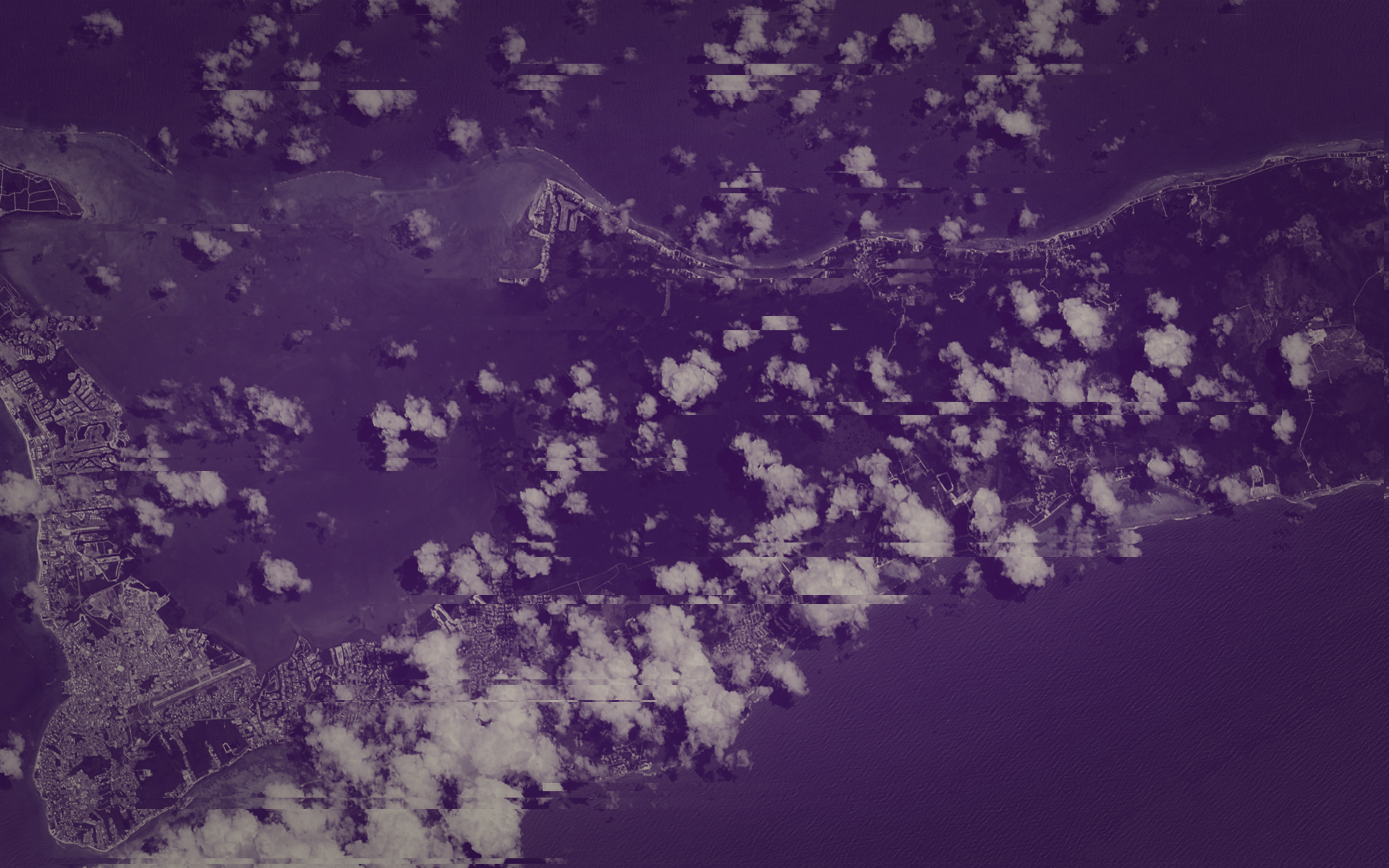
Colonial Economic Structure, Racism, and the Emergence of Tax Havens in the Global South
Project Description
Tropical islands are often stigmatized as tax havens. But only a few tropical islands are important exporters of financial services. This is surprising since many of them feature attributes associated with tax havenry. They are small, sovereign, reachable from major financial centers within a few hours, and practice British common law. Why have so few applied tax havenry as a development strategy, nonetheless?
Conventional wisdom suggests that political stability, often measured with contemporary indicators of good governance, makes the difference. The perception of political stability among foreign investors is, however, interwoven with racist biases. Previous research shows that tropical islands had to emphasize their British heritage, essentially a code for whiteness, to attract foreign capital during decolonization.
WOWMA’s objective is thus to explain why some tropical island jurisdictions were better able than others to convey stability through an image of whiteness in this historical period. In contrast to previous research emphasizing the rule of law, WOWMA investigates the hypothesis that the absence of income taxes paired with white control over government distinguished emerging tax havens from other tropical islands.
To this end, WOWMA…
- proposes a new theory on the emergence of tax havenry in the Global South, linking an island’s economic structure under colonial rule to the absence of income taxes and the persistence of white oligarchy;
- applies causal inference methods on original historical data gathered from archival sources; and
- probes the persistence of racist biases in investment decisions through conjoint experiments.
The project provides unprecedented depth in the study of small island states’ political and economic development. It foregrounds the entanglement of racism with perceptions of political stability and develops new strategies for its measurement.
This research project is supported by ERC grant 101116229 WOWMA ERC-2023-STG.

Team
Principal Investigator
Doctoral Student
Doctoral Student
Kattalina Berriochoa
Postdoctoral Researcher
Fernanda Soares Povill de Souza
Student Assistant
Rizwan Wazir
Student Assistant
Daniela Gonzalez Lopez
Student Assistant
Leo Ahrens, an early collaborator in the research leading up to this project, regular co-author and friend of the principal investigator passed away on December 23, 2025. In this obituary, we remember him and honour his many contributions to our joint work and political science research in general. Our deepest sympathies go out to his family.
Publications
Data Collection Process
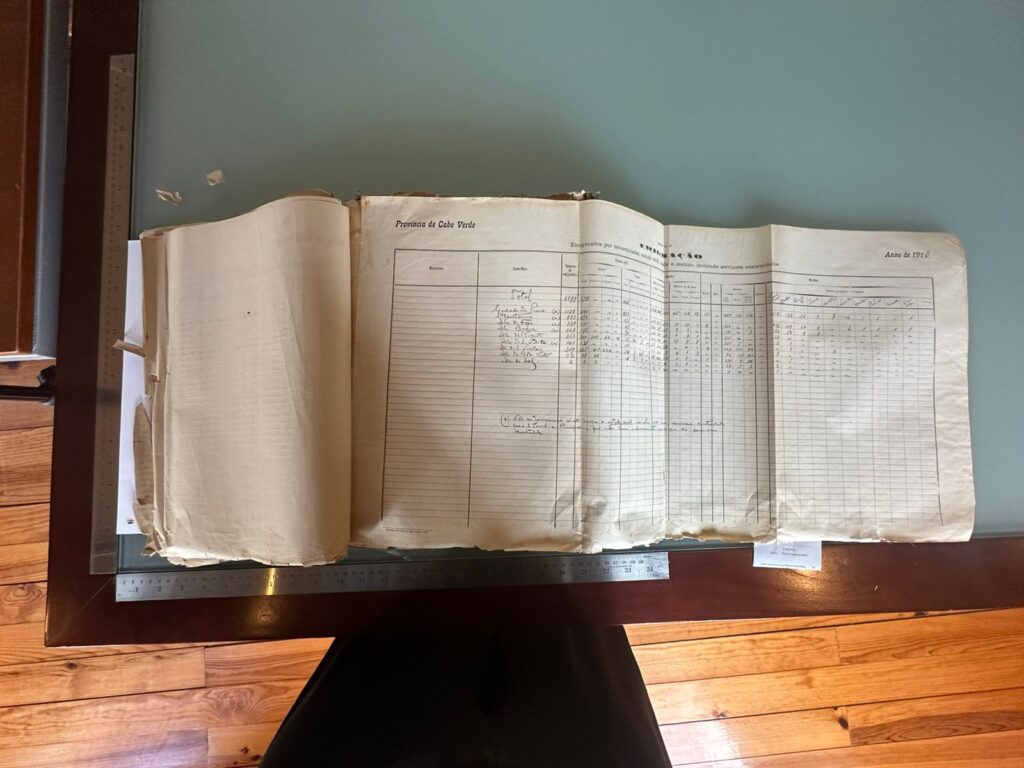
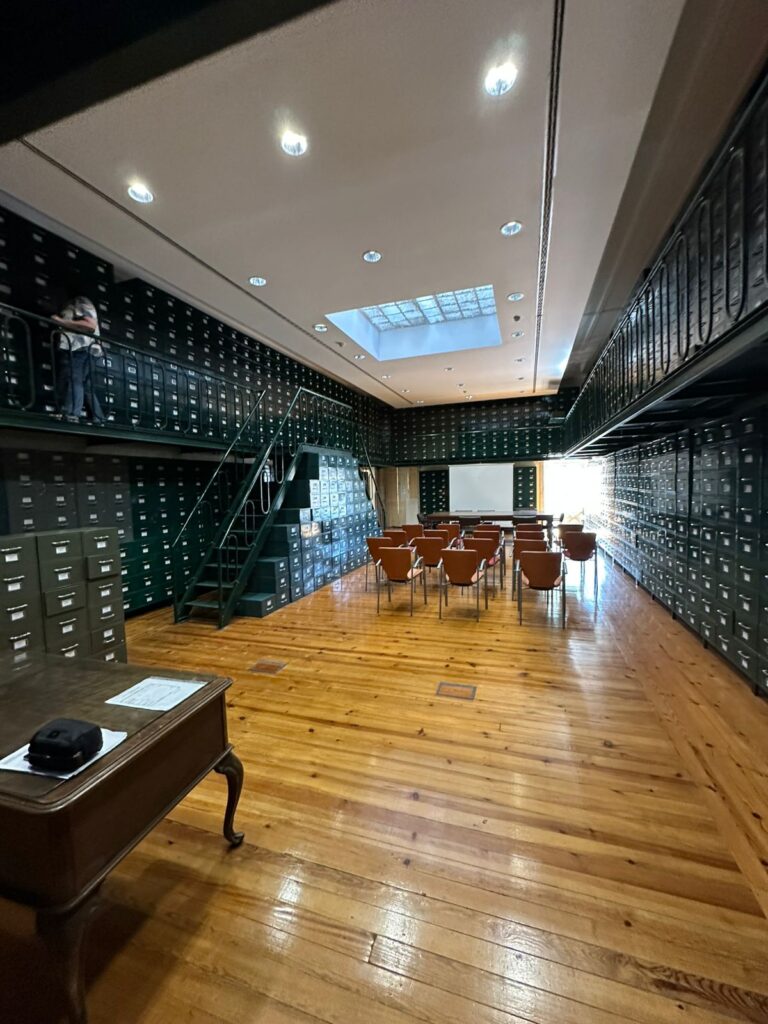
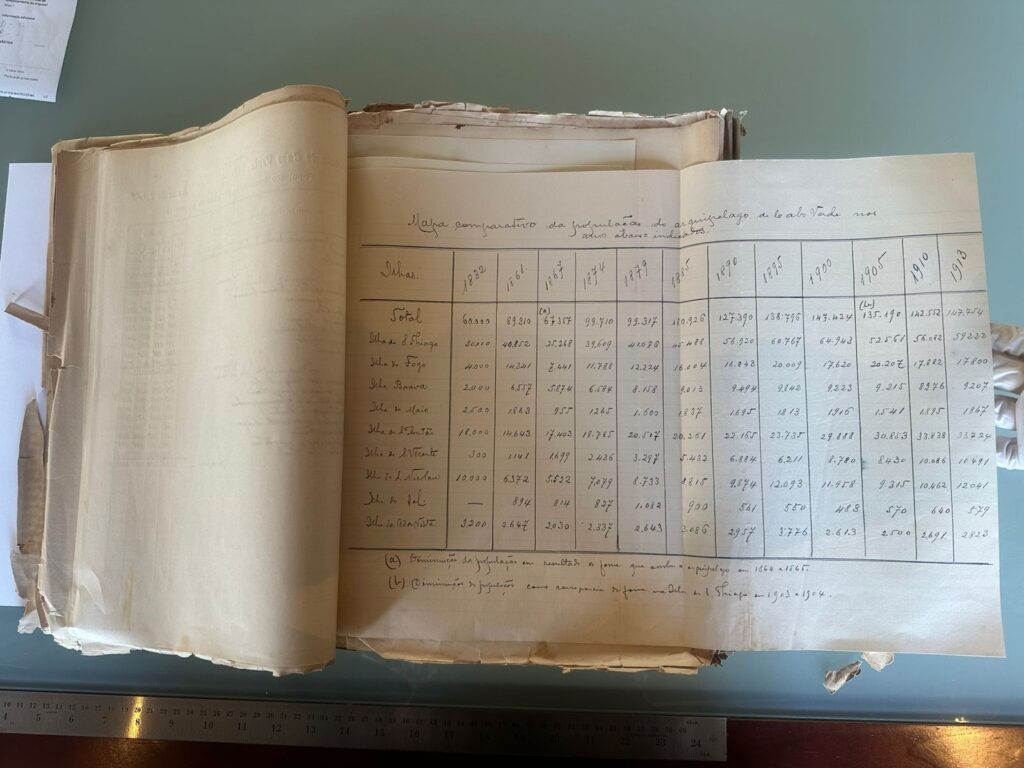
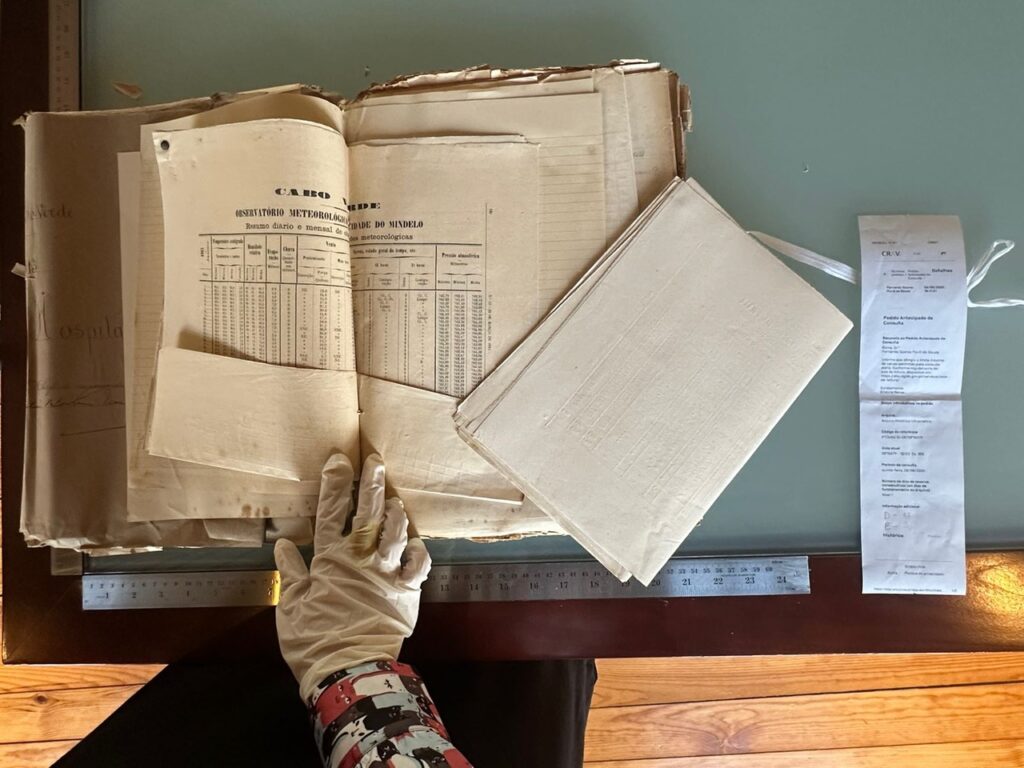
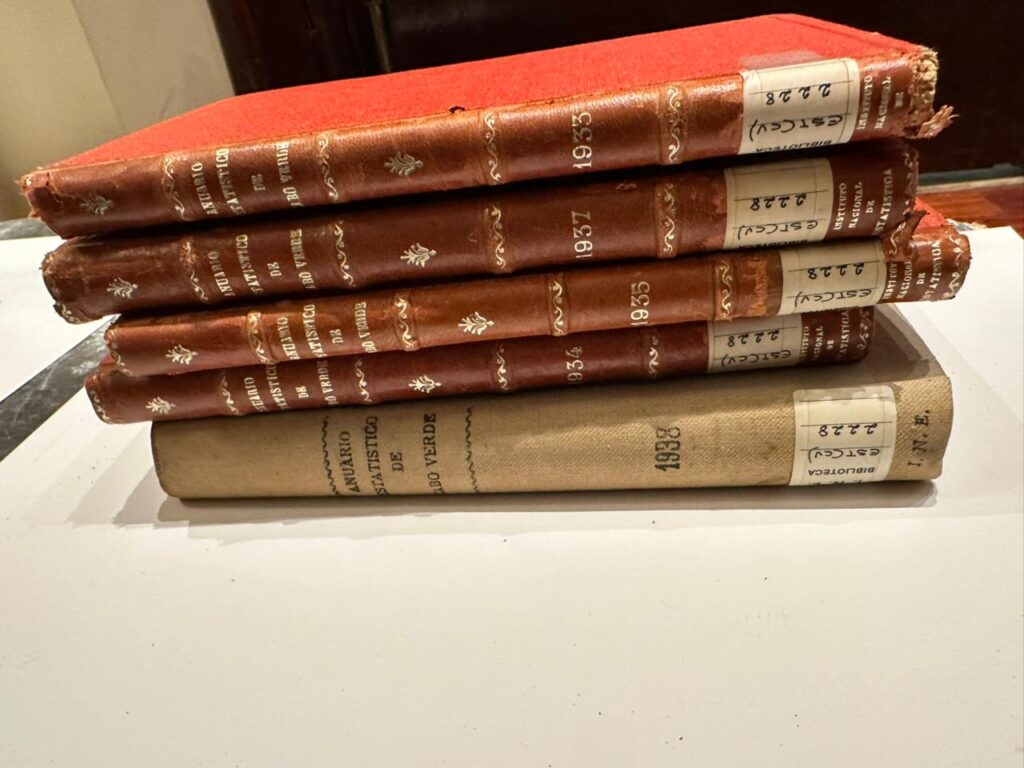
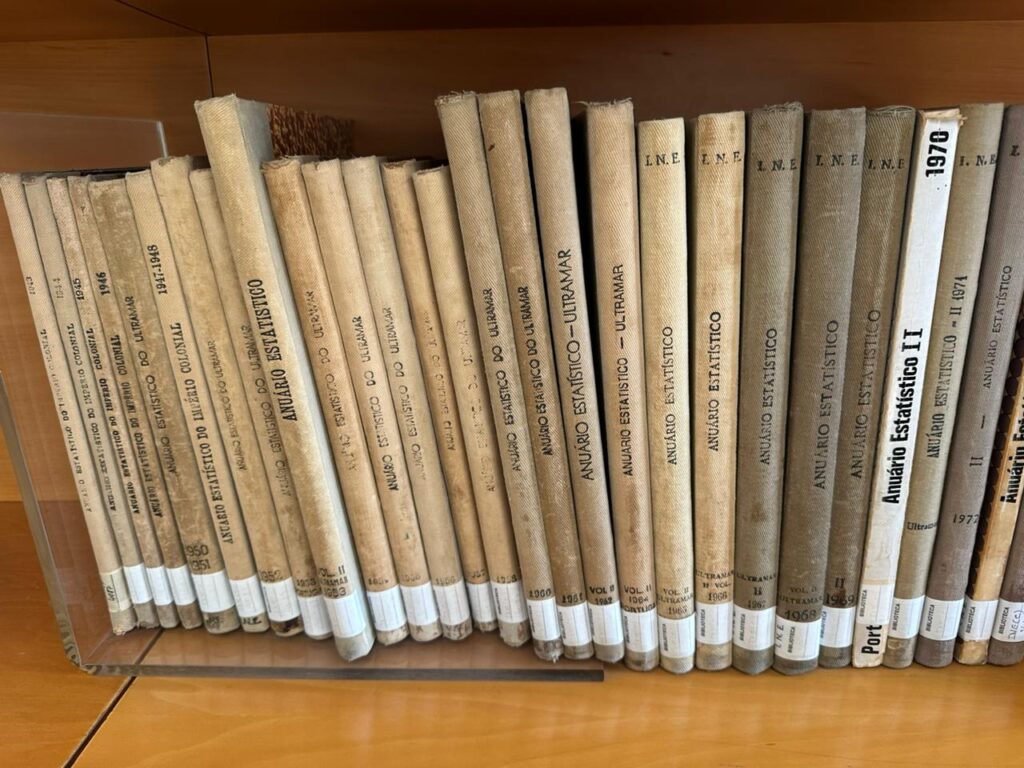
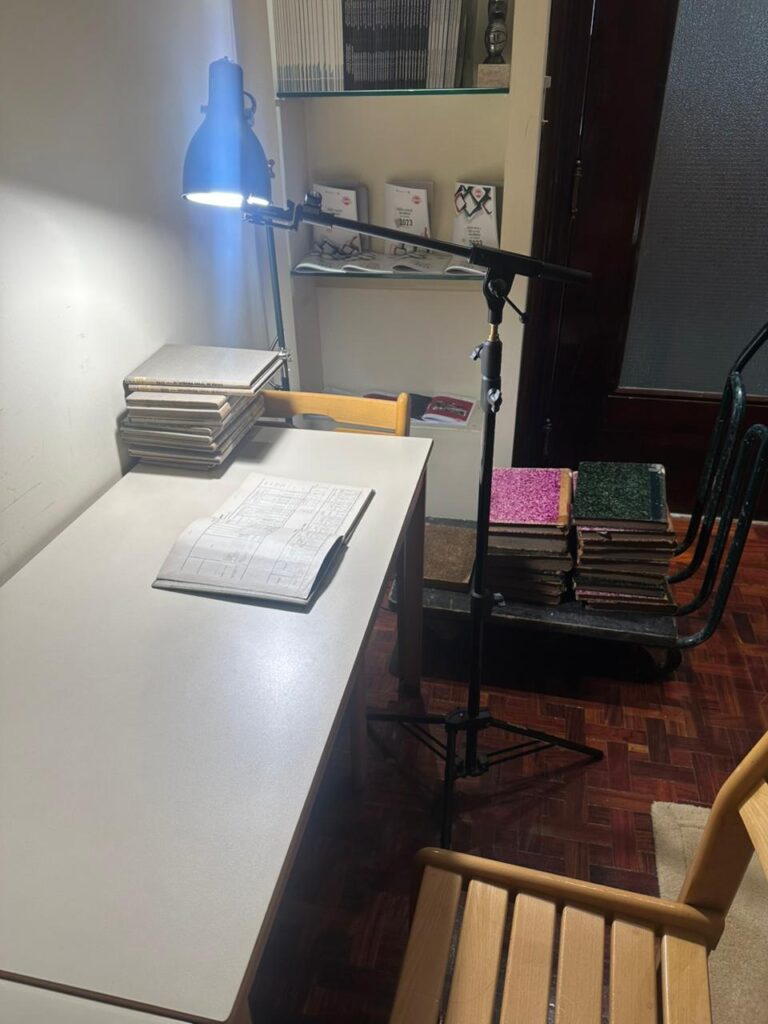
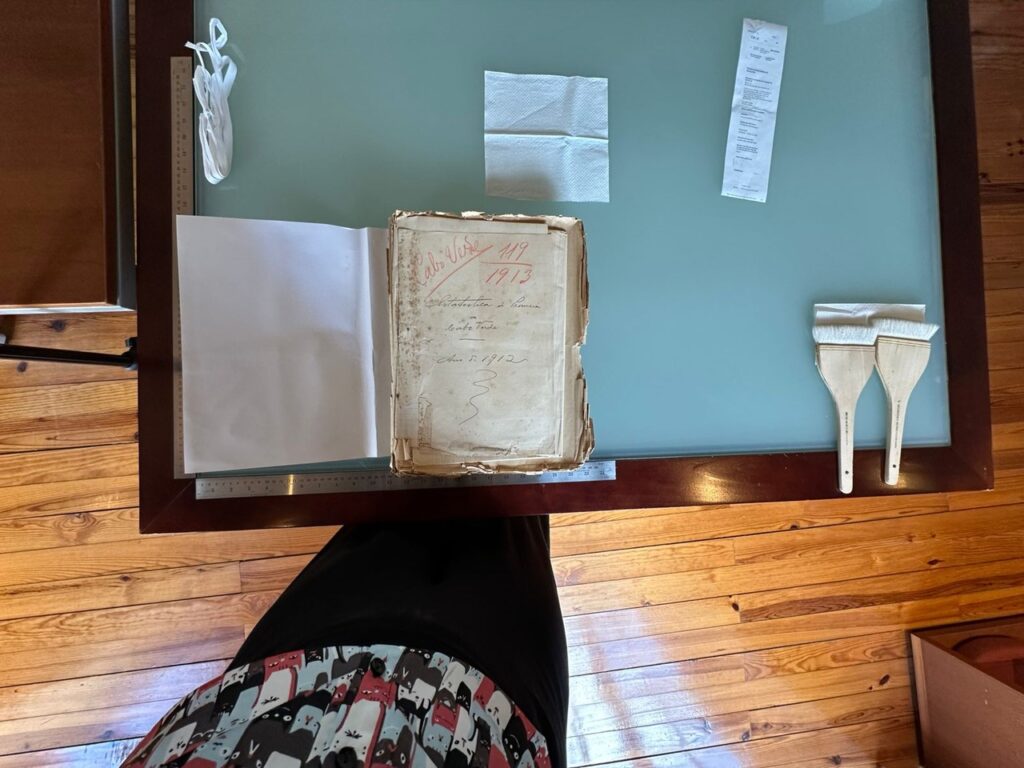
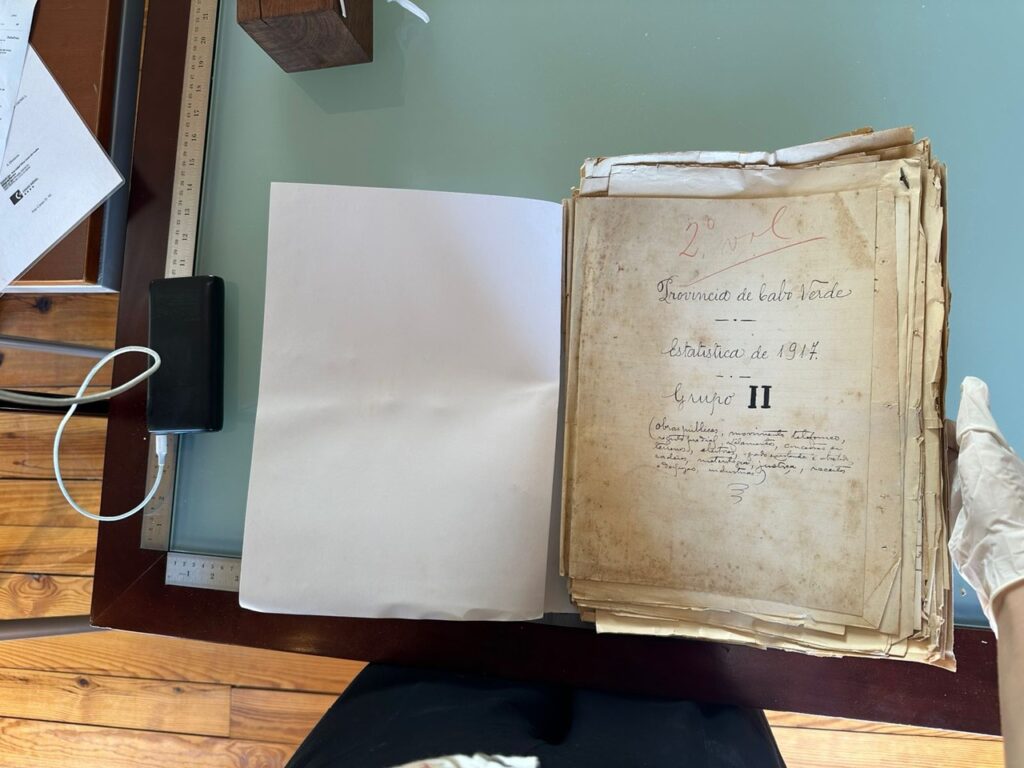
Our data collection follows a transparent, step-by-step process designed to ensure high scientific quality, traceability, and long-term usability of the data. We begin by examining existing economic and political histories related to our cases in order to understand what is already known, which data have previously been collected, and where gaps remain. Relevant literature and datasets are systematically compiled and summarized in a shared Zotero library, providing a structured overview of prior research. We then identify historical reports, statistical surveys, and other primary sources that contain relevant data and determine where these materials are held, such as German libraries or international archives. Based on this survey, we create a list of documents that need to be consulted in each location.
Before visiting an archive, we carefully plan what to collect. Drawing on our research questions and sampling strategy, we define which chapters, tables, or sections of documents need to be scanned or photographed. We also clarify practical issues such as document ordering procedures, daily scanning limits, and technical requirements, for example the use of smartphones with direct upload to secure cloud storage. During archival visits, we establish contact with archival staff to explain our project and receive guidance on using the collections efficiently. Team members remain in regular contact to coordinate work, share progress, and ensure consistent documentation.
After the archival phase, we closely examine how variables were originally defined and measured. These definitions are documented in a codebook, and we assess whether data from different sources can be meaningfully combined or whether adjustments are necessary. Relevant information is then transcribed from photographs into structured datasets, combining careful manual entry with experimental use of AI-based tools to improve efficiency while maintaining accuracy. Every data point is annotated with precise source information, including page numbers, and full bibliographic references are stored in the project’s Zotero library. Finally, we produce a comprehensive codebook describing all variables and sources and make the completed dataset publicly available in line with FAIR principles (Findable, Accessible, Interoperable, Reusable) via Leuphana PubData, enabling reuse by other researchers.